
ROMANTASY NOVELS

One thing about 2025 that I’ve learned when it comes to what’s being written and what’s selling is this: Romantasy is kicking ass, and *TikTok is its platform. In particular, the community known as “BookTok” has exploded over the past number of years, making unknown authors instant superstars. Google: “BookTok is a massive, influential community on TikTok where users create short videos reviewing, recommending, and discussing books, driving trends, boosting sales (especially for YA & Romance), and connecting readers with authors and specific genres (like fantasy romance) through hashtags, reviews, and emotional reactions. It's a powerful force in publishing, creating buzz, launching careers, and influencing bestseller lists through viral content and discussions on tropes, authors (Colleen Hoover, S.J. Maas), and specific "BookTok" books.”
As someone who was in the digital advertising agency world for seventeen years, and who knows a decent amount of the type of information collected by pretty much every website, app, smart whatever you may have in your home, etc., TikTok is the only platform I’ve avoided completely. But there is zero doubt that BookTok and TikTok in general are a massive influence when it comes to what books are being promoted and sold. TikTok, as a social media behemoth, has roughly 2.3 billion users globally as of late 2025. The hashtag #booktok has over three hundred billion views in 2025. In 2024, it’s estimated that romantasy had $610 million worth of sales.
TikTok, as a social media behemoth, has roughly 2.3 billion users globally as of late 2025. The hashtag #booktok has over three hundred billion views in 2025
But back to Romantasy. Romantasy is a subgenre with both fantasy and romance elements (self-explanatory, I know). The love story is the central plot of romantasy novels and fiction, and authors drop in any number of the romance tropes and themes as well as the magical and supernatural, mythical creature, hero’s quest, medieval type worlds they want. It’s escapism like no one’s business. Other elements are complex characters, good vs evil, magic, and as other fantasy genres are apt to use, the elements of air, fire, ether, water and earth play crucial roles in a variety of ways. From a layman’s perspective, anything goes. Bring on the dragons. Bring on the witches. The wolves. The vampires. The fae. “The term Fae (or faery, fey, fair folk) refers to a broad category of magical, supernatural beings from European folklore, encompassing creatures like fairies, elves, gnomes, and nature spirits, often associated with nature, trickery, and otherworldly realms.” – Google AI Overview. While it seems that romantasy is a newer genre, it’s been around for over twenty years, though the term is perhaps new to most. I guess the publishing industry was a little behind on understanding what was happening enough to put a label on it.

A part of romantasy that may make some readers uncomfortable are that there are often graphic sex scenes explicitly detailed in the genre’s novels. But these “spicy” scenes have enough of a market to make it worth a publisher’s worthwhile. HarperCollins was going to launch a “Midnight Collection” under its Magpie imprint a couple of years ago that would have been geared towards romantasy titles, but I couldn’t find anything on it as of this writing. Maybe I just don’t have the secret password or keywords to find it. Per an article in the Guardian early last year by Ella Creamer where she quotes Kathleen Farrar at Bloomsbury: she mentioned that part of romantasy’s appeal are the presence of “bold heroines” in fantasy books whereas the genre was normally a boy’s playground (my words). Women, in romantasy, are as heroic and adventurous and as dominant as what the heroes of yore were who were predominantly male and written predominantly by men. To go along with the female focus is the inclusion of other minorities—BIPOC, LGBTQ+, and others. Escapism is in. Escapism that caters directly to an enormous, extremely important, book-buying group of readers is a no-brainer for publishers looking to make money. Tons of money.
There are, however, other subgenres of fantasy fiction. A lot of them, too. Some you may want to explore if you’re into specific areas are:
Fairy Tale fantasy
Grimdark fantasy
Magical Realism (used a lot in literary fiction as well) fantasy
Weird fiction fantasy
Arthurian fantasy
Superhero fantasy
Dystopian fantasy
Paranormal fantasy
Fable fantasy
High fantasy
Portal fantasy
Epic fantasy
And on and on. As far as I can tell, the field is wide open for any type of subgenre of fantasy as one can imagine.
Some of romantasy’s superstars are Rebecca Yarros, author of Fourth Wing, Onyx Storm, and Iron Flame, Sarah J. Maas's A Court of Thorns and Roses (ACOTAR) & Throne of Glass series, Holly Black's The Folk of the Air (starting with The Cruel Prince), Carissa Broadbent's The Serpent & the Wings of Night, From Blood and Ash, by Jennifer L. Armentrout, and Danielle L. Jensen's The Bridge Kingdom.
Criticism of romantasy as a subgenre of fantasy novels is that they’re formulaic, that they promote toxic tropes, that they set up unrealistic relationship expectations, and that there’s been, historically, a lack of diversity, which, per above, seems to be changing. The typical market for romantasy are women between the ages of 18-44, though most readers are under 35 years of age. That is a pretty huge group of people, and they’re readers who actually shell out the dough even before books are out, meaning they’re standing in line online to pre-order their favorite authors’ books the second they can, which is a huge boon not only for the authors but for the publishers publishing their romantasy authors’ works. Kudos to these authors for finding their niche.
Criticism of romantasy as a subgenre of fantasy novels is that they’re formulaic, that they promote toxic tropes, that they set up unrealistic relationship expectations
As I wrote in last week’s post about the NYT’s Best Selling Novels of 2025, romantasy and fantasy in general have overtaken what writers, undergraduate in particular, are writing in MFA programs around the country. We’re living in a complicated political climate, still reeling from the effects of a worldwide lockdown due to an unprecedented pandemic, and economic realities that are materially affecting the younger generations perspectives about the world in which they’re being asked to live and survive in in order to become “adults.” But it appears the adults are trying to escape their realities as well (I know I am, though my interests are more along the lines of literary fiction, which is just my preference for what I read and write). For now, romantasy is doing spectacular as far as book sales go. We’ll see how long that lasts. As far as TikTok and BookTok, the Trump administration has been in negotiations with ByteDance to divest the company or face a ban in the U.S. due to national and security implications.

Per an article on Factcheck.org: “TikTok automatically captures vast swaths of information from its users, including Internet and other network activity information such as location data and browsing and search histories,” an Aug. 6, 2020, executive order said. “This data collection threatens to allow the Chinese Communist Party access to Americans’ personal and proprietary information — potentially allowing China to track the locations of Federal employees and contractors, build dossiers of personal information for blackmail, and conduct corporate espionage.”
*I have never used TikTok, though I think I may have seen a video or two on the platform. I know there’s plenty of controversy surrounding privacy issues with regards to TikTok. Per a quick search on Google, the main issues for TikTok users who sign up are: “. . . extensive data collection practices, the potential for user data to be accessed by the Chinese government due to its parent company, ByteDance, and security vulnerabilities like facial recognition technology being used without consent. These concerns have led to regulatory scrutiny and proposed bans in various countries.” In short, TikTok has access to everything on your phone—and you’re the one signing off on them to do it.

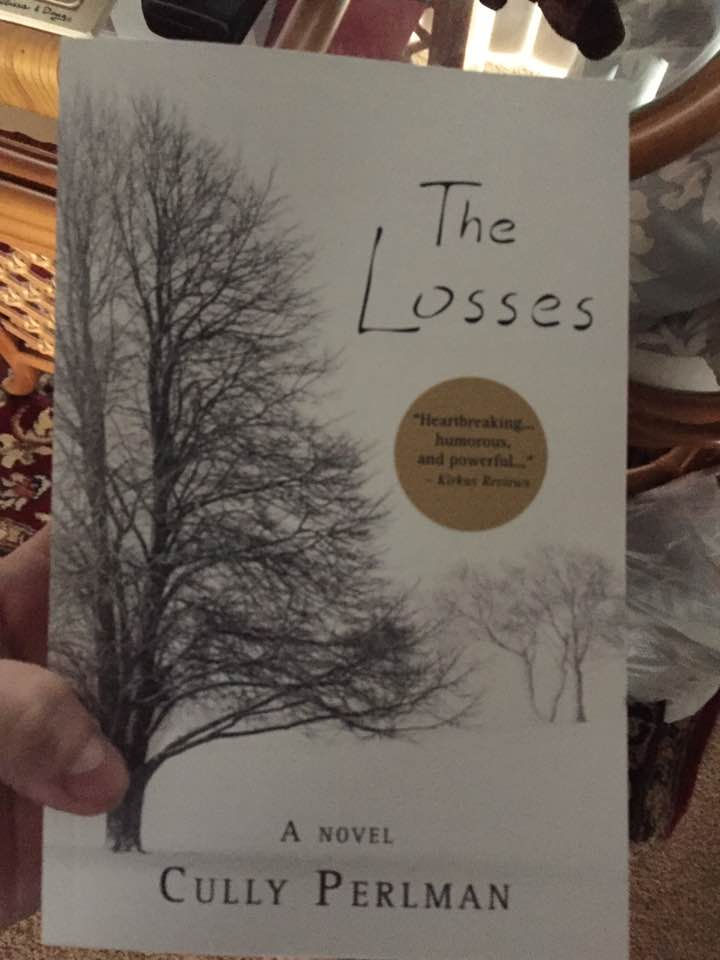
Cully Perlman is author of a novel, THE LOSSES. He can be reached at Cully@novelmasterclass.com
*Novel Master Class may collect nominal commissions from affiliate links on this post. These fees are used to pay for hosting and other fees to keep this blog up and running for free for writers like us.


Comments