
HOW TO BUILD AN AUTHOR PLATFORM

You’ve heard the term “author platform” probably more times than you care to. You know agents, editors, or publishers (or you think you know they will) want to know if you have one. Do you have an author Facebook page? An author Twitter account? What about BookTok? Instagram? A website that tells the world about all the fantastic books and short stories and credentials you have in the creative writing and publishing world? Yes! I do! You’ll tell them. I have them all! I have five thousand friends and a thousand followers on Facebook! I post every day on Pinterest! Twitter knows me like they know that little bird! YouTube? Man, I am a Movavi expert! I can edit a YouTube video like no one’s business! But is that enough? Do you know? Do you have to pay someone to get the word out that you, Ms. Author, is the best thing since sliced bread? Let’s dive in to see what’s right for you.
To give you a little background on myself, I worked for digital advertising agencies for nearly twenty years. I was the project manager on digital (read, web) projects for Verizon Wireless, Home Depot, the U.S. Army and U.S. Air Force, HON, Microsoft, and others. I’ve been around and managed all the things you can do to “market” a product, which in this case would be you. But if you’re like me, you just want to write. You have zero desire to manage social media updates, and interact with people on any of them to gain traction as an author.

HOW TO BUILD AN AUTHOR PLATFORM
SOCIAL MEDIA & SOCIAL MEDIA MARKETING
Social media is probably the number one place that most of us authors have some sort of presence. Why? Because it’s easy. We can use our personal Facebook or Instagram pages, throw up a few posts, and Voilà! we’re up and running. We’ll get a few likes. Maybe some shares by our closest friends, some book sales, and some likes. Super. From experience, I can say I got a lot of those up to and including a month or two after the launch and publication of my novel. After that? Crickets. People lose interest. So, what do you do?
Well, if you want to put the time and effort into building your online presence, you’ll need to continue doing it for a while. Like, years. Because it’s going to be a time of trial and error. You’ll have to do A/B tests (fancy terms for trying this, seeing if it works, then trying it again, only this time with some minor edits, and then seeing if it works, and so on), and you’ll have to come up with a plan so that, again, you’re providing value to your audience. And you’ll need to know what success means to you. Is it selling books? Well, how many books do you want to sell each month? Is it having people interact with you (and others) on your chosen social media platform? A business card? Know what you’re doing and why before you spend hours wasting your time doing random things. Come up with a plan. And then stick to it (unless it’s obvious after starting that you need to make some adjustments before continuing).
I won’t get into each of the social media sites below, as you probably already know most if not all of them, but these are places where authors have found success (think Frieda McFadden’s The Housemaid, the giant known as Colleen Hoover, who had, like, five books on the NYT Bestseller list at the same time, Amanda Hocking, and others). But remember, they’re anomalies. I’m not saying you can’t be the next one, but chances are you won’t be the next breakout author because you used TikTok for your self-published paranormal romance.
Facebook
Twitter
BookTok
Instagram
Pinterest
LinkedIn
Substack
*Remember, visitors to your social media aren't just going to look at your recent posts. They will dig into your posts from last month, last year, ten years ago. If you have anything . . . controversial or rude or mean, they'll take note. You may want to review previous posts if you're trying to project a professional persona.
AUTHOR WEBSITE
The only people I really know that don’t have author websites are my older writing friends who are already established and known and have been around for some time. The younger generations (including my own, i.e., Gen X, immediately go to the web to find out more about you, Ms. Author. So, you want to be able to provide your readers and potential readers with a little bit of information about yourself, in particular if you’re hawking a novel or seeking literary representation. Here’s Stephen King’s website for reference.
BUILD AN EMAIL LIST AND A NEWSLETTER SIGNUP
Email lists are great, but they can also be tricky. Getting enough people/subscribers to your daily/weekly/monthly/bi-monthly email is not an easy task. First, you have to offer something that your subscriber will believe is valuable to them in some way. In the beginning, attracting subscribers usually requires a quid pro quo. Meaning you’re providing something immediately to your subscribers for signing up to your email. That may be a link to a video not accessible to the general public. Or it can be a free workshop, a PDF of your latest novel, or, if you’ve got the extra cash, something you send them in the mail. Whatever it is, be creative, and make sure your subscriber feels like they’re getting something of value for giving you access to their contact information.
So, you ask, HOW do you find subscribers? Well, there are plenty of ways to do so, including all of the social media platforms mentioned above, writing guests posts for other blogs (see below), going to writing conferences and passing out your cards (if you have cards to pass out), and, again, if you have the money to spend on advertising, there are options in the paid placement of ads like Google advertising, advertising in online publications related to your genre or fiction in general or on writing websites you know are out there, including, and especially, the ones where you yourself visit to keep abreast of writing news, book news, conference updates, and so on.
BLOG POSTS & GUEST POSTS
Blog posts are a great way to get your name out there. While you should have your own blog where you publish regularly (once a week, in my opinion), you should also volunteer to write posts about writing (or any other subject you want to be looked at as a subject matter expert), or even pursue paid blog post writing. Guest posts (and other media interaction) will not only introduce you to someone else’s audience, it’ll highlight your skillset to people seeking your services. You can reach out to blogs you read or blogs you find online that deal with your genre, with writing in general, or whatever you think you'd be able to write something interesting about. Go with what you're comfortable with. All you have to do is read the requirements and guidelines of the blog and reach out to them. The worst they can say is thanks but no thanks.
BOOK CLUBS
I’ve dropped into a couple book clubs to discuss my novel, and they’ve been fun to do. Most of the time, you can ask one of your friends to host the book club (especially if they already participate in one), and it’s a great way to sell a few books and get your face and name out there. Or you can go online and Google to your heart's content for various book club opportunities. Same with social media book clubs. Give it a go and see what works for you. It helps to have a moderator, but you can do it as well. Don't forget to have a set of questions to provide your members so that they're ready to discuss the book from a knowledgeable position.
BECOME a PAID REVIEWER
Becoming a paid book reviewer sounds awesome, doesn’t it? I know I wouldn’t mind spending all day reading and then writing a short review and getting paid for it. The problem is that the higher paying jobs are few and far between. Most book reviewers do it as a side gig. They’ll make between $5 and $70 a book for writing somewhere around 350 words after spending hours reading the book they’re reviewing. One of the largest reviewers is Kirkus Media, which, at least if you’re my age, was always known as Kirkus Reviews. Authors or publishers pay somewhere between $400 to $600 to have their book reviewed. In the industry, Kirkus provides traditional reviews, meaning they aren’t biased, or at least they seem to be. A lot of authors use Kirkus (I know I did when my novel, The Losses, came out, and they gave my novel a favorable review). You can do like I did and buy a few good-looking stickers to put on your novels to make them stick out and to showcase your accomplishment.
While you aren’t going to become famous writing for these outlets, you’ll get your name out there, and every little bit helps. Plus if you’re already reading novels (or short stories, nonfiction, etc.), why not get paid for it?
WRITING CONFERENCES
Writing conferences, especially the AWP (Association of Writers and Writers Programs) is the largest conference for writers in the United States. It’s not cheap to attend, but there are opportunities available to you to advertise with them as well as the various organizations associated with the AWP, which is held in a different U.S. city every year. The AWP’s mission “amplifies the voices of writers and the academic programs and organizations that serve them while championing diversity and excellence in creative writing.” If you’ve never been, you’ll be able to meet your favorite authors, talk with people who run literary journals, find writing mentors, and build your communities that support you and your writing. The more people you know in the writing world, the more opportunities will present themselves to you.
VOLUNTEER AND WORK WITH LITERARY ORGANIZATIONS
When I was younger and in college, I volunteered to be an editor for numerous college newspapers and literary journals. I learned a lot about how fiction is considered (as well as why you get the “thank you but it’s not right for our current needs” rejection letters and emails). I made a lot of connections in the industry volunteering to be a reader/editor for those journals. I know a lot of writers who work the AWP (Association of Writers and Writing Programs) in various capacities, and many of them are loved by the writers attending because of all the help they provide both the presenters and attendees.
Besides the AWP there’s local outreach associations like Chicago’s Open Books, national associations like the Science Fiction & Fantasy Writer’s Association, the Decatur Book Festival in Atlanta (I used to go every year when I lived in Atlanta so I could buy five hundred books), and basically any literary event both local to your hometown and, really, anywhere around the world if you do enough research to find them. Again, you’re building your platform, and part of that platform is not only getting yourself out there in front of your potential audience but in front of your colleagues in the writing, editing, and publishing world.
FIND YOUR AUDIENCE
Not all fiction is for everyone. Be specific about who your audience is, and focus on that audience. It’s great if everyone picks up your book, but if you’re writing Romance, chances are that readers of Science Fiction, Literary Fiction, Thrillers, etc. aren’t your audience, and thus not an area you should really focus your efforts on in terms of trying to “cross over.” I’m not saying it can’t happen or you shouldn’t consider them, only that it’s been found to be more effective not only in book marketing but in all marketing in general. Niche marketing is going to produce the best results for you, so my advice is that. If you write literary fiction, focus on submitting short stories or novel excerpts to journals and publications that publish literary fiction. Sending your work to publications that don’t publish what you write is likely going to be a complete waste of your time and money.
All of the things mentioned above are how you build an author platform that’s going to not only provide your readers and potential readers with information about you and your work, but it’ll also act as your storefront (if you post links to the sites [Amazon, B&N, Bookshop.org, Abe Books, and other sites where your books are sold]) so your visitors can buy your books.
Everything you’ve read above are great for creating your author platform, but again, having a platform requires work, and the truth is is that it isn’t for everyone. I know great authors who don’t care about having a platform. They write. They get published. Most of them sell a few books, and then they teach or have other jobs that pay the bills. Others, let’s say “not” so great authors that have fantastic platforms can sell thousands of books, enough of them that that’s the only career they have to have. It’s up to you what’s feasible and what you’re willing to do. Good luck!
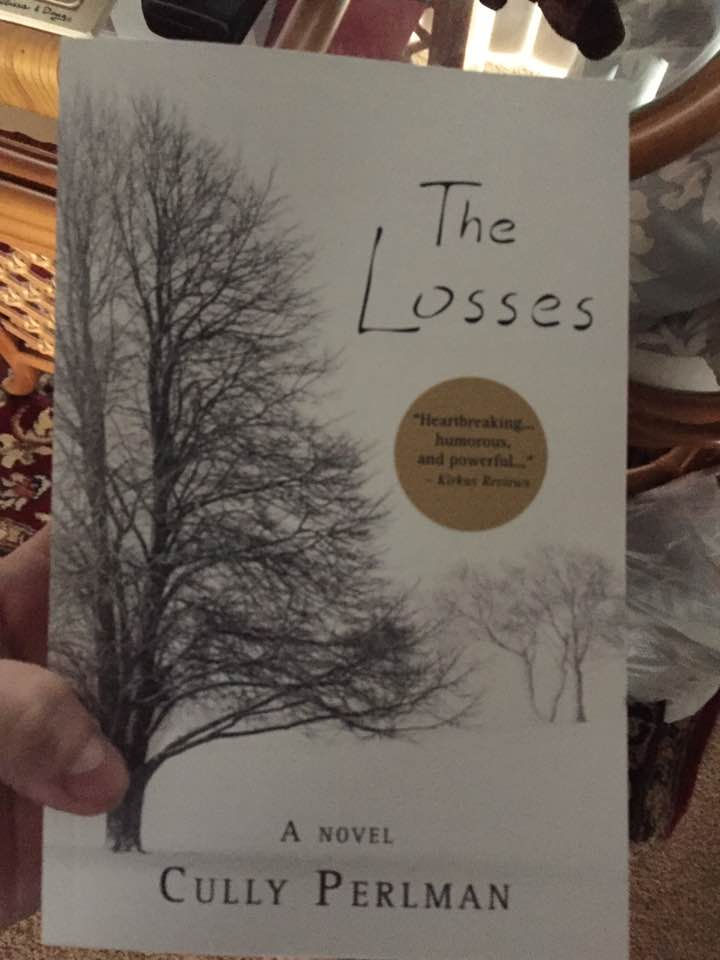
Cully Perlman is author of a novel, The Losses, as well as a substantive editor. Contact him to discuss your fiction project today at Cully@novelmasterclass.com or click on the link or image to buy his novel.
*Any commissions from affiliate links go directly to supporting this free blog. We’d love your financial support if you’re able to provide it.


That's awesome. And good advice. I think you have to be a pretty outside-the-box thinker these days just to get noticed. My problem is putting in the work. I like writing, but as an ex-marketer, I hate marketing. I'm not on any social media at all and do not miss it. It's been a long time that I use anything. I guess I'm at the point that I just want to write good books, revise/rewrite/edit, and rinse/repeat until I think I have something that's good and that I WANT to publish rather than can get published. And the AI thing is a double-edged sword. I hate that "writers" use it, but then I might use it for a quick po…
Probably your best post yet, because it's one thing all serious novelists have to do.
In contemplating the vast world of marketing and getting "found" in a world where everybody is on Amazon, everybody has a website, insta, and everything else, for me what has worked is pretty much ignoring all of that. I am promoting a book of fly-fishing short stories, so my mailing list is simple, pretty much every FF club in the country has an email address. I publish frequently in online and print FF media. Those people will heavily market for me, readers who already follow me and are in my niche. Because of this, I get invited to speak at local FF clubs, which pay pretty…