
TOP 10 CREATIVE WRITING VIDEOS
I write about writing. I read book about writing. I edit novels. I write novels. I work with others on my writing. I work with others on their writing. But one of the things I came late to life in when working on the craft of writing is listening to other writers talk about their process of writing, what interests them about writing, and why, like me, they can’t not write. I guess the watching piece of creative writing for me came late because my generation didn’t always have Google, or YouTube, or podcasts, or, well, any of the things the generation that followed mine did. I’m Generation X. We grew up on Vic20s and ColecoVisions. We had rotary phones, and were the first generation to build websites (who can forget the “eeeeeee” sound of the dial-up modems!), went through CDs and DVDs and watched as music and movies became ubiquitous and downloadable on handheld devices like cellphones, which we originally experienced as brick-sized things you could throw at car windows (not that I did). We sat at certain times of the day with our tape decks to catch our favorite songs on the radio and cursed when the DJs talked over the music intentionally.
But those things are now things of the past. CDs and DVDs (and their players) have become nostalgic gifts that we give to our children. Building websites doesn’t require hours and hours of writing code; you can go to a website and drag and drop images and videos and text around and click a button and you’re up and running on the world wide web. Want to make your own movie? Pull out your iPhone, film your skit, and post it on YouTube, TikTok, or wherever you want and voila! You’re viral around the world. Or that’s your hope. Everyone’s an “influencer” these days.

And while we lament what the world is and has been becoming for some time, not just in politics and interests, in literature and the world’s collective move away from “serious fiction,” many of us still know that no matter how much we know, we’ll never know enough. We continue learning. We continue writing. And we continue seeking out the resources that maintain our growth when it comes to the craft we love. Because I know writers and have writer friends who have participated in TEDX talks and podcasts, TV interviews and radio discussions about writing and books, I figured I’d write a post where I share the top 10 creative writing videos that have made an impact on me and helped me see things in a different light.
Every writer out there writes differently. We’re all original snowflakes, unless, of course, you’re stealing other writers’ styles and themes and everything else by using AI to “write” your short stories and novels and whatever else. But there are still incredible writers out there who are also incredible teachers and communicators of the process and craft of writing fiction. Here are some videos I highly recommend you watch if you want to learn something about writing. Or even if you just want to hone your skills and find a little inspiration before, during, and after you’ve put pen to paper or fingers to keyboard. If you have other videos you believe will help other writers, just comment below with the links.
John Dufresne is a friend of mine, but he's also one of the best writers on how to write fiction out there. He's a professor at Florida International University. His TEDx Talk on how to write a story is the 3rd video that pops up on a YouTube search for the keyword term "How to Write a Story," and it has over 1.2 MM views. There's also a reason for why it's #3: It's fantastically informative, entertaining, and a blueprint for how to write a story from beginning to end, and the path he leads you on is simply brilliant, incredibly descriptive, and just fun to listen to. I highly recommend watching it at least once before beginning or restarting a creative writing project.
"We know that there are millions of people who want to write, who want to tell stories, but we also know that most of the time, what they write isn't very good." This is one of literary agent Julian Friedmann's sobering opening comments during his wonderful TEDxEaling talks titled "The mystery of storytelling." Friedmann says his agency received about 6,000 queries a year, and they take about 6 clients out of those 6,000. SIX! That's how difficult it is to get represented by his agency, and I'd have to say it's probably not much more promising anywhere else.
Julian's talk deals with his belief that writing can't be taught (I'm on the fence on this one), good agents (he refers to them, humorously, as pimps and rats," and how many agents there are today than in years past. The gist: As writers, we have an almost impossible mountain to climb in terms of getting an agent and then having them sell our manuscript(s).
Writing is all shame
--Zadie Smith
Jerry Jenkins has a lot of videos out there, but I think this one, How to Write a Novel: My Proven 12-Step Process, is a great one to watch, not only for beginning writers but as a reminder for experienced writers on what readers are expecting from your writing. I've written about the various steps in his 12-step process, and have included not only the video but links to posts on those twelve steps.
A winning story idea
Outliner or Pantser
The classic story structure
Conduct thorough research
Your point of view character
Begin in medias res
Trigger the theater of your reader's mind
Ramp up your main character's trouble
Make your hero's predicament seem hopeless
Bring it all to a head
Leave your reader wholly satisfied
Separate writing from editing
So, channel on YouTube called Turtleneck Philosophy posted the late David Foster Wallace's 5 Good Rules for Writing. The video is a little different, and for many writers it's too short and perhaps a little too quirky, but I wanted to share a video I thought more casual than the other, heavier literary step-by-step deep instruction type videos posted here. In short, Foster Wallace's 5 rules are:
Get a usage dictionary
A good opener
The reader cannot read your mind
Assume the reader is smart
Punctuation

We know that there are millions of people who want to write, who want to tell stories, but we also know that most of the time, what they write isn't very good
--Literary Agent, Julian Friedmann TEDxEaling
George Saunders is the current king of well-known literary writers. I say this because he's everywhere--on Colbert, on bestselling lists, he's won the Booker for his novel, Lincoln in the Bardo, and he's just a superstar amongst writers. I was at the AWP in Tampa a few years ago, and there was a line of writers larger than the largest autograph seekers I've ever seen in my life, and I've seen some of the top dogs out there. He's also a sweetheart of a guy--I met him during grad school and asked him if he'd be so kind as to blurb my novel. His response was a generous Sorry, I really only do my students' blurbs these days, given how busy I am. The Tenth of December is one of my favorite books.
Saunders, in conversation with Debra Treisman of the New Yorker, discuss Saunders' editing process, and why you have to be ruthless. Treisman has been Saunders' editor at the New Yorker for decades.
“Don't tell me the moon is shining; show me the glint of light on broken glass.”
― Anton Chekhov
Margaret Atwood's The Handmaid's Tale is a modern day classic, and has been for years. She's also the author of Not all writers get to see themselves considered as literary giants, but Atwood is definitely one of those authors. In this video, Atwood is interviewed by young writers Emily Webb and Grace Murray from the National Centre for Writing. Atwood has had 18 books published, and has won numerous awards and honors for her writing, including two Booker Prizes, the Arthur C. Clarke Award, the Governor General's Award, the Franz Kafka Prize, the Prince of Asturias Award for literature, and the National Book Critics and PEN Center USA Lifetime Achievement Awards - Wikipedia.
John Fox's site is a must for writers of fiction. He's created a video that focuses on 9 writing techniques used by my favorite writer, Ernest Hemingway. You should visit https://thejohnfox.com/ often, as his site is a resource that'll help you as you navigate the world of writing. The video is a little history, and a step-by-step of how Hemingway wrote. It's about 17 minutes long but worth every second.
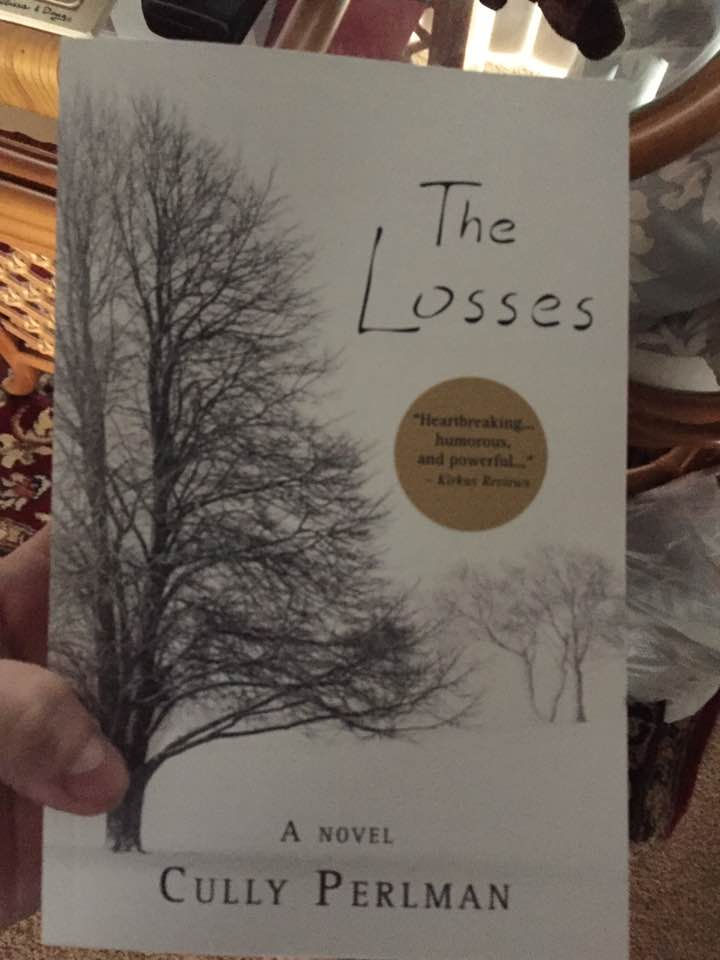
This is a short interview with Lee Child, but it's an encouraging one for writers in general, and for writers over 40 in particular. When my novel, The Losses, was published, I was 43. I'd been writing forever, but just hadn't had any luck getting a novel published. In my case, it took me decades to complete something someone wanted to put into print. Frank McCourt was 66 when his bestselling Angela's Ashes was published. Never give up on your dreams, I suppose, because you never know when those dreams will come true.

There are no guarantees in the world of art. You can do all the work, make a wonderful book or painting or piece of music, and sometimes, it disappears into the void.
--Margaret Atwood
If you've ever watched the movies "Get Short" or "Jackie Brown," then you've seen Elmore Leonard's fiction in film form. Leonard is one of those writers whose prose you can identify almost immediately. His genius was mostly focused on writing crime fiction, and he was considered one of the best to ever do it. In this video, Leonard gives his advice on process, and it's chock full of fantastic advice.
This interview, titled "On Shame, Rage, and Writing," is an intellectual and honest deep dive into various aspects of writing and Smith's take on the influences that affect what she writes about and how she comes to her conclusions. She's very honest about how she thinks about writing and who writers are as people. Hint (and not one that's very surprising): writers aren't extroverts. But this interview goes in depth into the politics of the other as well as the reality of the various sides of the world today and how they're clashing and why. I love Zadie Smith. Her novels, White Teeth and On Beauty are incredible, and she's just such a damn interesting person.
Cully Perlman is author of a novel, THE LOSSES. He can be reached at Cully@novelmasterclass.com
*Any minor commissions collected from affiliate links go into paying for the platform and hosting of this blog. We want to keep the blog free--us writers don't make the big bucks. At least most of us don't. Hence, the ads. Thanks!


Comments