
PRODUCT PLACEMENT IN FICTION

If you’re in marketing, especially in the TV and movie space, you’re very well versed in product placement (the practice of embedding real-world commercial brands, logos, or products into a written or visual story—either through free prop loans or paid brand integration ((AI Overview from Google)). Remember when E.T. ate Reece’s Pieces? (He was actually supposed to eat M&Ms, but because Spielberg and Mars, Inc. couldn’t come to an agreement, Spielberg contacted The Hershey Company, E.T. ate Reece’s Pieces, and sales of the candy went up 65% in two weeks). Hershey’s estimated that 65% sales boost to have been worth somewhere between $15 and $20 million bucks! Oh, it’s also when movie theaters started selling the candy, so you can guess how much that’s brought in.
There are countless examples of product placement in film and TV: a Wilson volleyball in the Tom Hanks movie Castaway, Mini Coopers in Mark Wahlberg’s The Italian Job, Eggo Waffles in Stranger Things, Junior Mints in Seinfeld, and Princess Cruises in one of GenX’s favorite shows (I’m GenX so I know), The Love Boat. But not all product placement is paid. Sometimes a company may provide free products, free shipments of products to staff working on the shows, and so on. But as readers and authors, most of the time, unless we’re Bill Fitzhugh, who received his pay in Seagram’s Scotch, Fay Weldon, who got paid by Bulgari for her novel, The Bulgari Connection, and Sean Steward and Jordan Weisman, whose novel, Cathy’s Book, was promoted on Beinggirl.com.
But we’re writers. And unless we’re selling hundreds of thousands of books, we’ll probably never see a dime. Most of us just include brands because it sounds better than inventing Wax Candle Cereal, Pick Pick Soda, or Giant Boogieman Motorcycles. For us, product placement provides our narratives with legitimacy (or so we think). But we forget that often the products we include in our fiction don’t always stick around. And you have to ask yourself, is that what I want? Or do I want to have an “evergreen” product in her hand, meaning a product that’s been around forever and will probably be around for many years to come?
In that vein, I have a question for you. Ever read an older novel or short story and have to look up what the author or character is using/talking about or referencing? For example, ever heard of Fruit Stripe Gum? (This one’s probably easy; I used to buy it and chew it for the three seconds the flavor lasted before it started tasting like cardboard). What about Bayer Heroin? Or Hydrox cookies? Swanson TV Dinners? (If you’re Gen X and older, you probably had a few Salisbury steaks and meat loaf dinners propped on wooden trays while watching Three’s Company in your living room). What about the Apple Newton? (You’ve probably never heard of it, but I had one. It was an early personal digital assistant. It was cool, it was different, but I dropped the thing like a bad habit). Silent Butlers? Mustache cups? Silver tongue scrapers, niddy noddys, shaving scuttles, posy holders, pan style bed warmers? I’m guessing you don’t have a clue about what half if not more of those things are, do you? I had to look a few of them up myself, and I’m semi-ancient. Product placement in fiction has been around forever.
And you know what those things do in literature? Actually, a few different things. And I don’t just mean the older products that have gone the way of the dodo bird. I mean modern brands and products dropped here and there into your short stories, your novels, your whatever.
Product placement in your fiction may allow your readers to understand when your novel or short story takes place. The aforementioned Swanson’s TV Dinners came on the scene in the fall of 1953, when C.A. Swanson and Sons introduced the product. So, we have some idea of the time period, though obviously they were quite popular for almost sixty years, when they were discontinued around 2010. The Apple iPod came out in 2001. So did Segways.

YouTube? 2005. Facebook? A year earlier. The inclusion of these products/services in your fiction provide you with the ability not to have to include explicit dates in your fiction. You may not always get an exact date, but readers know, perhaps roughly, when these things were launched, so when they see them included in fiction, it sets the stage for when our story takes place.
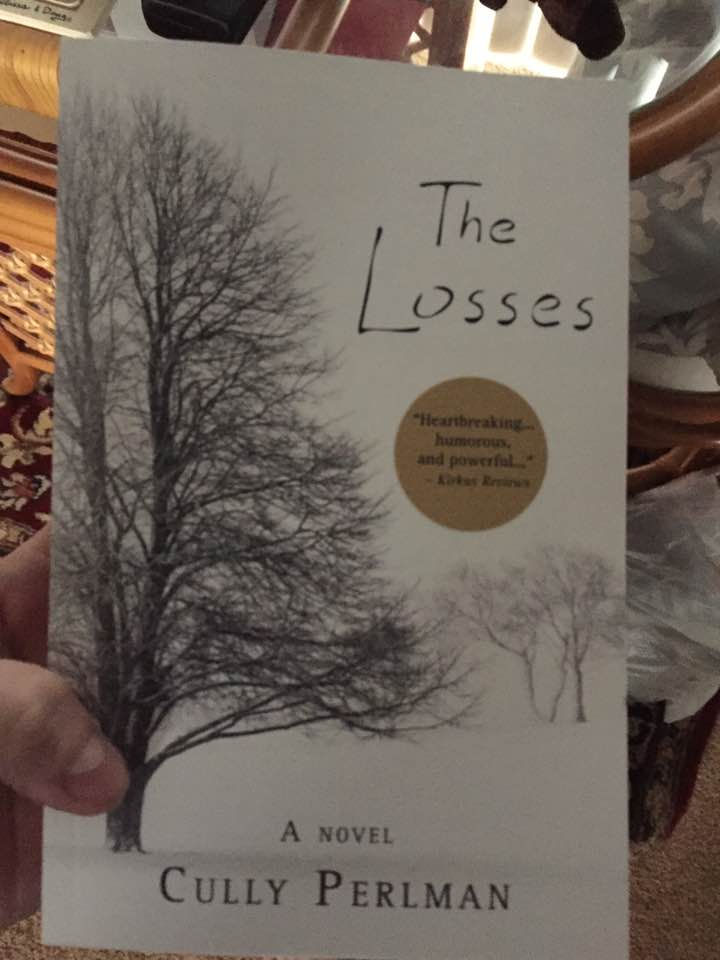
I’m guilty of including products in my own fiction. In my novel, The Losses, Blackberry phones make more than a few appearances. The early-ish mobile phones gave readers an approximate time period that my story takes place. I also include certain brands of power bars, wines, and other specific products for various reasons. But that was for me—I never received anything. It just helped me achieve what I needed to achieve. And you can do the same.
PRODUCT PLACEMENT IN FICTION
Use product placement in fiction to:
Provide readers with rough (or specific) time periods without explicitly showing a date
Give a little realism to your fiction (unless you’re writing fantasy or something, though you could use it there as well
Show a character or characters’ economic status (someone wearing a Rolex vs a Timex) or having generic products like Great Value Magic Treasures, a Walmart copy of Lucky Charms, Kirkland Signature’s (Costco’s version of Organic Yogurt), which is a bite off Fage’s Yogurt, and Good & Gather’s (Target’s) tomato sauce, which is comparable, I suppose, to Prego, Ragú, and Barilla
Accessing new readers. Introduce Pokémon or K-Pop groups or, say, Viagra to your novel and there’s a chance the people using those products or listening to that music may just check your novel out. You never know. As they say, success is 50% preparedness and 50% luck.
The only thing to consider is you may be viewed a “sellout” to corporate America by some readers. But it’s your call. As a good friend of mine says about the writing process, or at least that you’re writing, “No one cares.” So, whether you choose to drop a Coke or a $3,132.08 bottle of 1998 Chateau Lafite Rothschild Pauillac into your Romantasy novel, you do you.
Cully Perlman is a substantive editor and author of a novel, The Losses. You can buy The Losses here.
*Any affiliate commissions go toward paying to keep this blog free to you.


Comments